
+125,000 people
65 organizations
In 9 countries
Missions
EUROPE
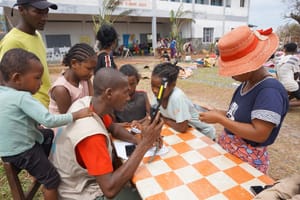
In 2025, thousands of people fled their homes to escape violence and economic crises. People travel for months, facing exploitation, danger and human rights violations. The Central Mediterranean route, for example, is the deadliest known migrant route. After a traumatic experience or during a long, stressful wait in a refugee camp, the need for communication is essential for people on the move.
TSF responded to humanitarian communication needs in:
the Mediterranean Sea:
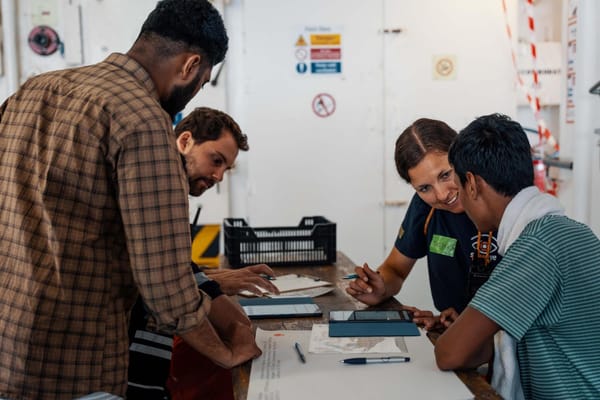
When people are drowning in the Mediterranean sea, Search And Rescue (SAR) NGOs intervene. In the immediate aftermath of their rescue, people’s need to tell their loved ones that they are alive is overwhelming; the inability to do so, distressing. TSF worked with SAR organizations to enable survivors to send a safe notification to their friends and family. In 2025 so far, 1,983 people were able to reassure their loved ones using TSF’s notification system.
Ukraine:
Millions of Ukrainian citizens were forced to flee to escape the ongoing conflict. Many stayed in the country, finding shelter in temporary centers. These internally displaced persons (IDPs), mainly women, children and elderly people, are away from their loved ones and stressed by the war. TSF connected more than 20 centers to enable IDPs to talk to their loved ones, access information, continue their education or even work remotely to stay afloat. In 2025 so far, 4,470 people were able to connect to a free Wi-Fi connection.
Bosnia:
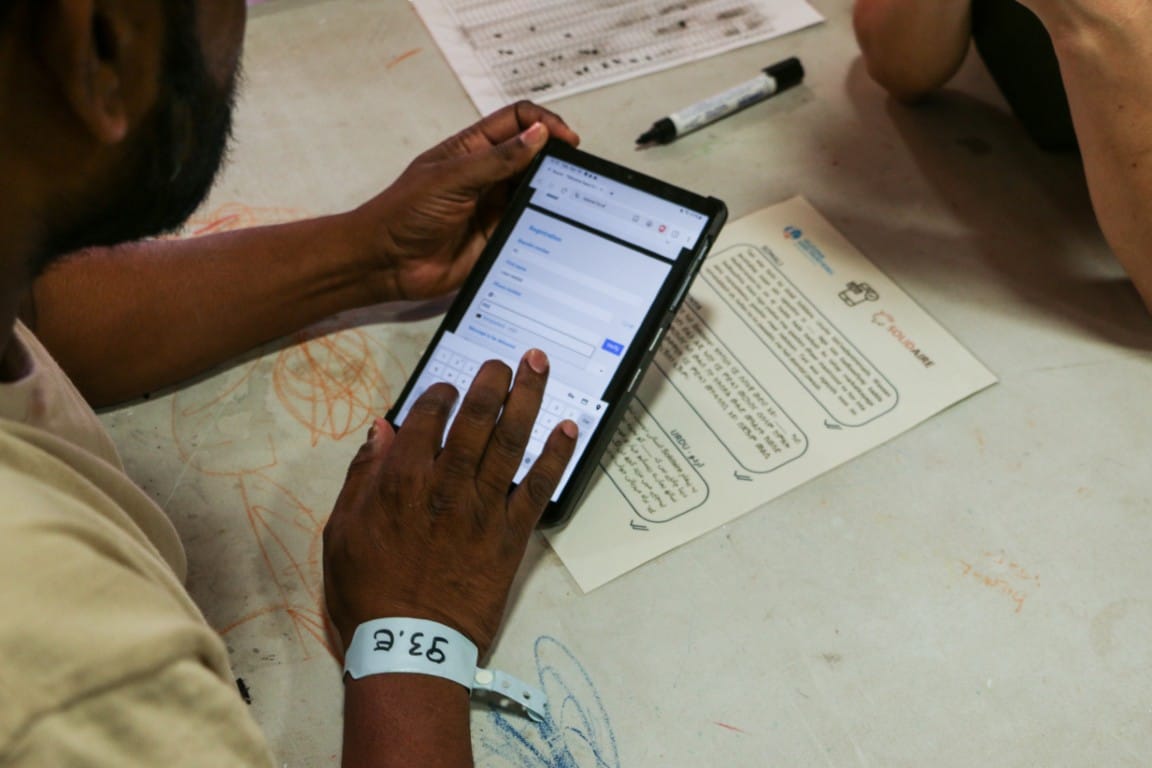
During their journey, many forcibly displaced people find temporary shelter in camps for migrants, refugees and asylum seekers. They’re often anxious and isolated, both geographically and from their loved ones, forced to wait for administrative processes. TSF provided free connectivity in a center, enabling 560 people to communicate and access information.
LATIN AMERICA & THE CARIBBEAN
Social and economic instability, as well as extreme weather events, have forced thousands to move in search of safety. The region is prone to natural disasters, where communications are essential in the immediate aftermath. But in longer-term crises, information and digital inclusion also play a role to contribute to the safety of people in vulnerable situations.
TSF responded to humanitarian communication and information needs in:
Mexico, Columbia and Guatemala:
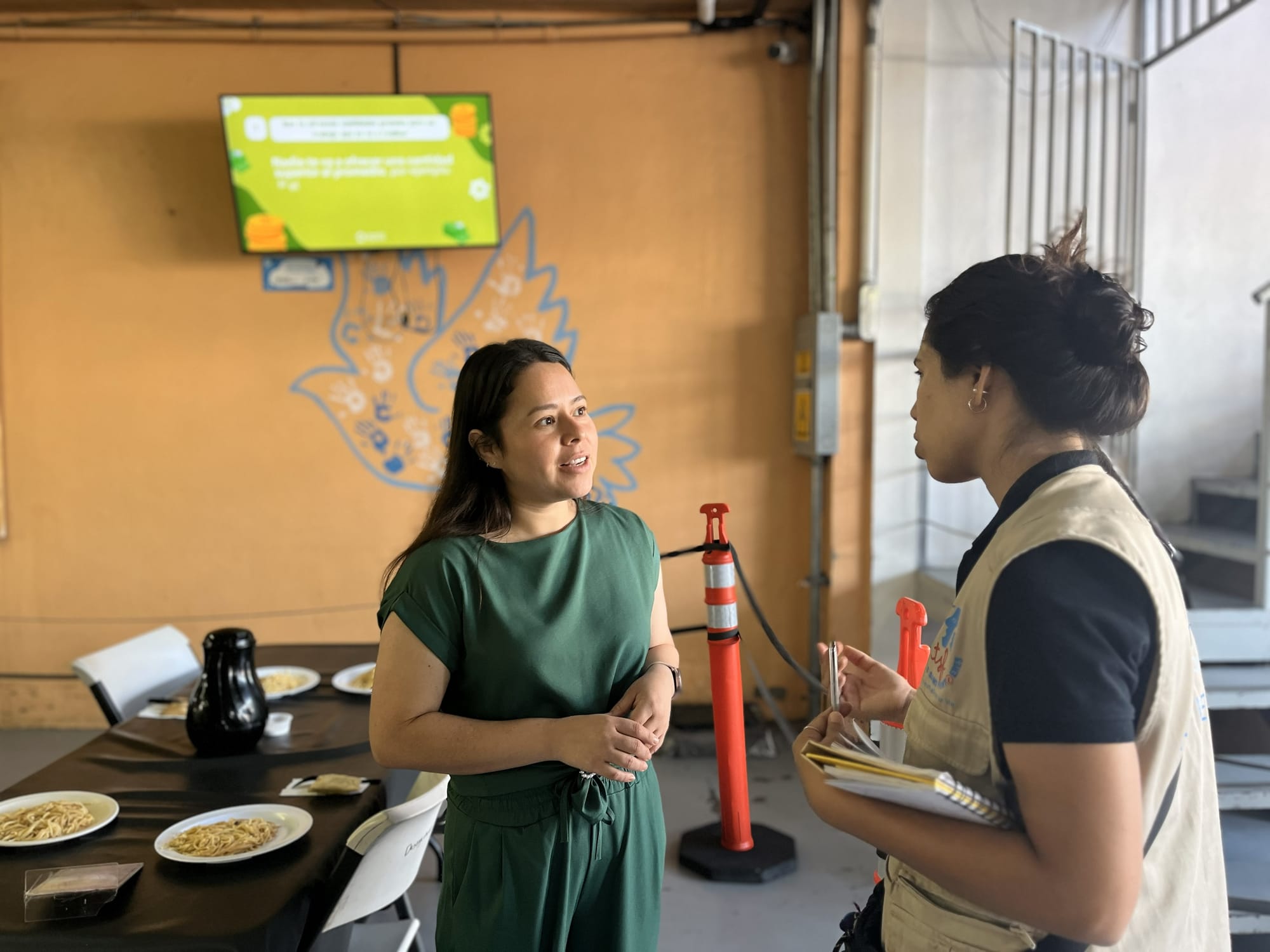
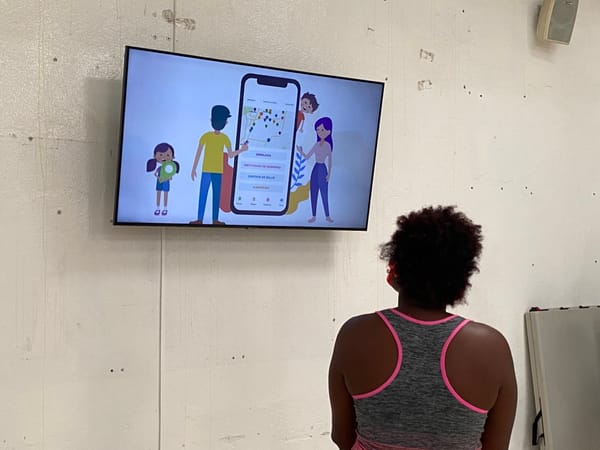
People forced to flee their home face dangerous challenges on their journey, from scams to human trafficking. In these situations, people need clear, reliable information on administrative topics, asylum procedures, safe routes, news and health. TSF shared essential information in 25 centers for migrants, refugees and asylum seekers. In 2025, until the end of September, more than 113,000 people have accessed reliable information.
Mexico:
People on the move consider mobile phones essential, but are in a vulnerable situation when it comes to digital risks. TSF has started to team up with organizations to provide workshops on digital safety to shelter staff, who will then be able to pass on that knowledge to displaced people. 408 individuals so far this year benefited from this project.
Jamaica:
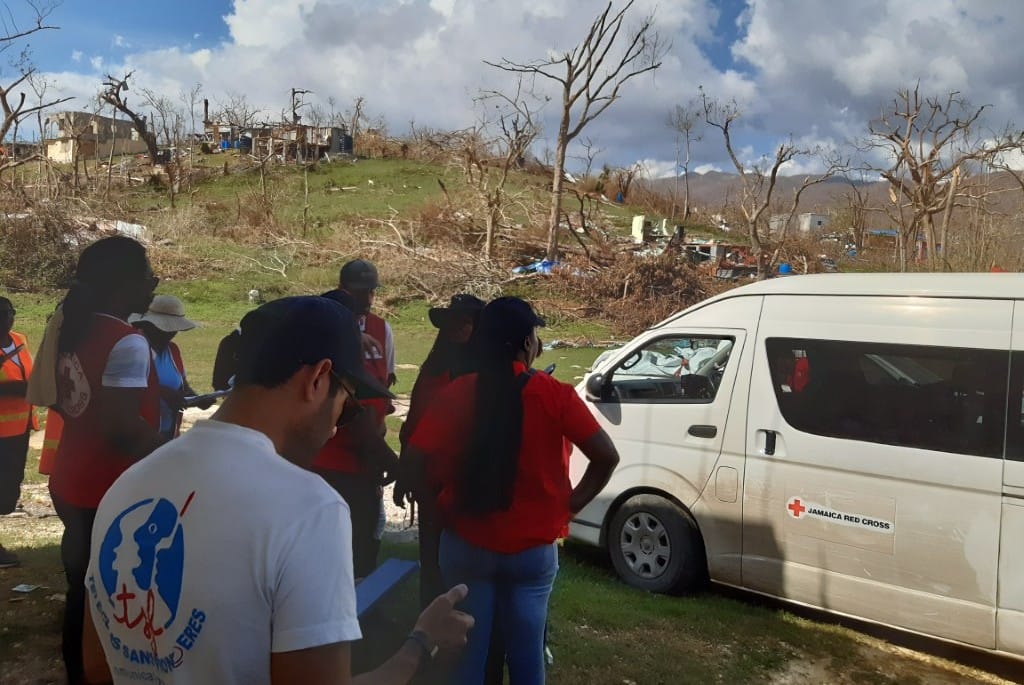
When Hurricane Melissa hit the island on October 28th, damage was extensive, and communications were severely affected. Without reliable connectivity, relief efforts were hindered, and people struggled to reassure themselves and their families about each other’s well-being. TSF provided emergency connectivity to coordination centers and affected communities; more than 1,500 people were able to reach their loved ones.
Mexico, Costa Rica, Jamaica:
To better respond to environmental disasters like hurricanes, floods, earthquakes, and more, preparedness is essential. To contribute to Internet resilience, TSF installed connectivity solutions in coordination centers already identified by communities and relief organizations, who can then gather there to access connectivity in the immediate aftermath of a crisis.
MIDDLE-EAST AND AFRICA
Communications play an important part in some of the region's crises, but they are often voluntarily cut or structurally repressed, which limit possible activities – and that is without mentioning the restricted access to humanitarian organizations in several of these crises. Natural disasters also affected the region in 2025, with Cyclone Chido in Mayotte.
TSF responded to humanitarian communication needs in:
Mayotte:
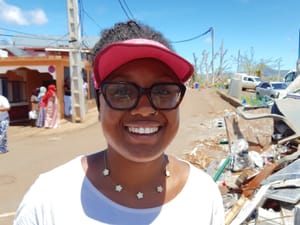
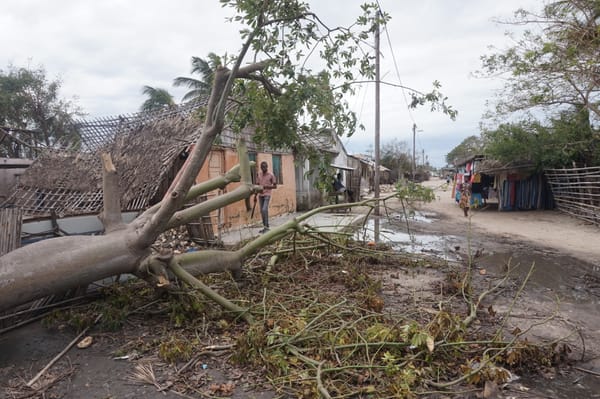
Cyclone Chido crossed the island with devastating winds over 200 km/h. Power and communications networks were damaged, preventing survivors from contacting their loved ones. Around 80% of cell phone sites were disconnected. TSF carried out more than 30 mobile connectivity operations in various disaster-stricken communities, enabling more than 3,000 people to reconnect.
Madagascar:
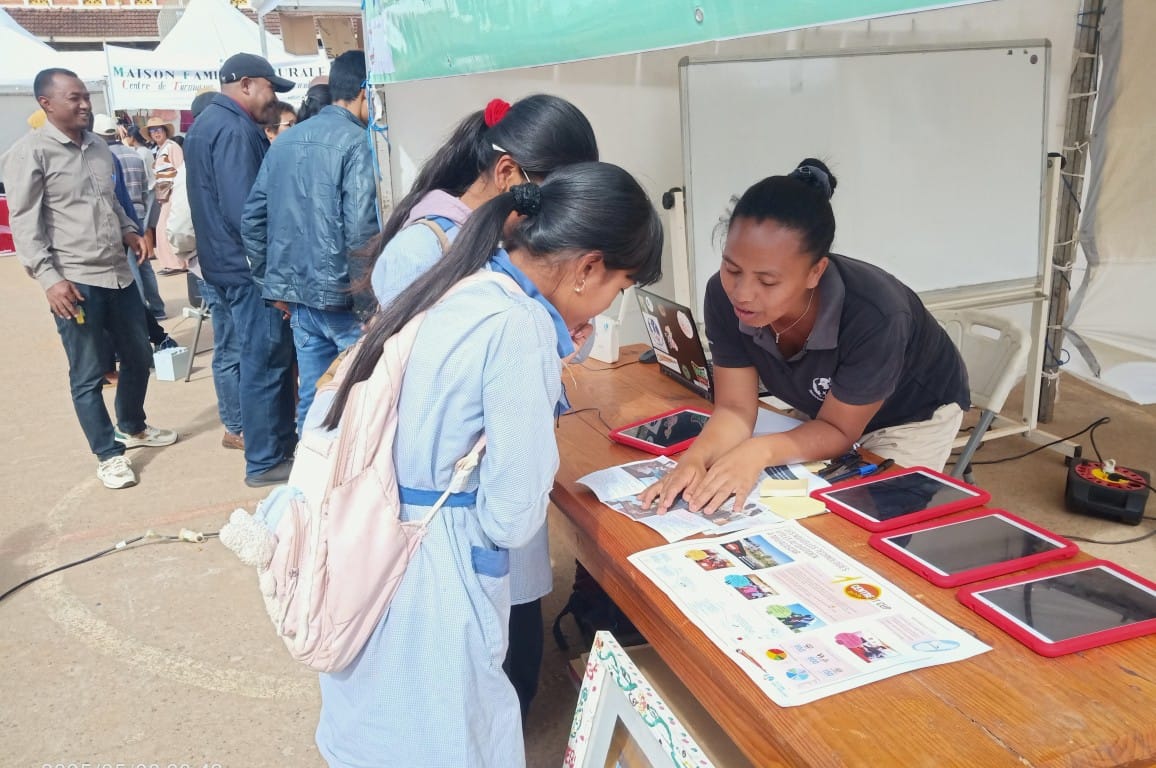
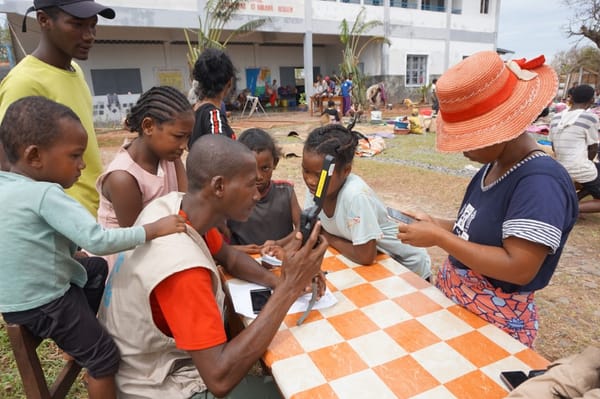
The IT Cup project’s activities continued in 2025 and were slightly adapted to better respond to the needs that were identified during the evaluation process that took place in 2024. The project now includes activities intended to people with specific protection concerns such as women victims of GBV, unemployed people and youth, which needs continuous teaching and awareness on digital topics.
ASIA AND PACIFIC
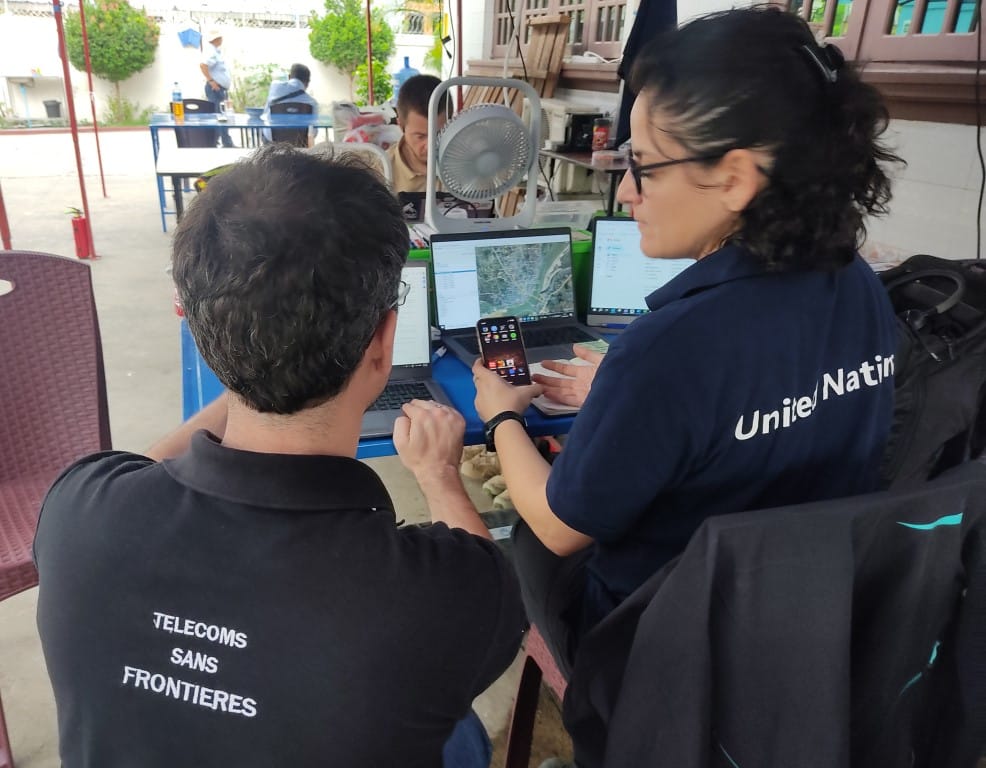
The region is prone to extreme weather events and natural disasters, such as typhoons and earthquakes, which can have a strong impact on communications.
TSF responded to humanitarian communication needs in:
Indonesia:
As part of its partnership with the ASEAN Coordinating Centre for Humanitarian Assistance on disaster management (AHA Centre), TSF participated in an Emergency Telecoms Network (ETN) workshop that took place in Bali, Indonesia in September. We also provided a training session on emergency telecom means to the national emergency responders from ASEAN member states.
Myanmar:
A 7.7 magnitude earthquake struck in March, affecting communications. TSF, involved in the South East Asia response mechanism for several years, deployed to provide support to relief operations, working in collaboration with the UN and the AHA Centre.
Member discussion