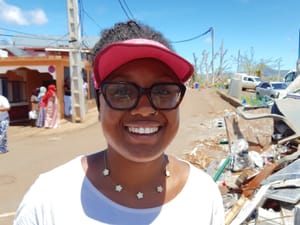
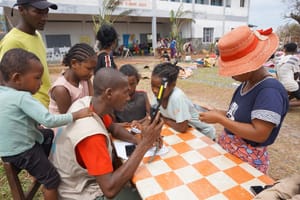
How can people reach their loved ones after a disaster? How can relief efforts coordinate? Since 1998, TSF has been working to meet these needs after disaster strikes. But as emergencies evolve, exacerbated by climate change and intertwined with longer-term crises, our response must evolve, too.
How can a project focused on resilience in Central America and the Caribbean support immediate response to hurricanes?
Why focus on Central America & the Caribbean?
The causes of humanitarian situations in Central America and the Caribbean are multiple, intertwined, and sometimes mutually reinforcing. These include political and social situations, organized crime, and an increase in climate crises that contribute to isolating affected populations. The region is particularly affected by intense storms and hurricanes, which impact telecommunications. This was the case in 2025, with Hurricane Melissa, and in 2024, with Hurricane Beryl.
Internet resilience for communities
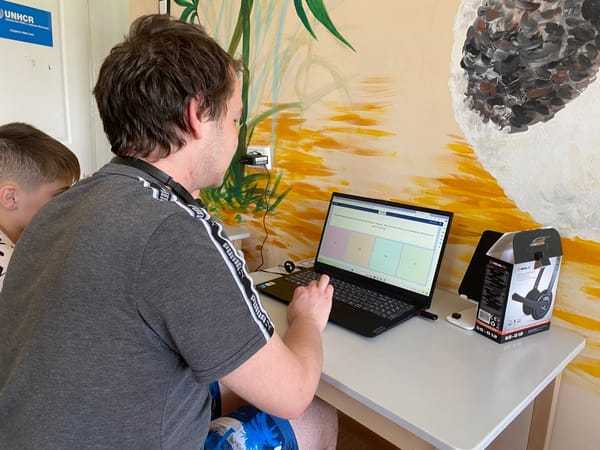
To contribute to community resilience in the face of disasters in this region, TSF has been implementing resilient connectivity solutions in centers identified for their ability to provide assistance to people in vulnerable situations during crises. This project is supported by the Internet Society Foundation.
From the start of the project, we worked with national organizations in Mexico, Costa Rica and Jamaica to connect centers already identified by communities. The goal was to contribute to creating a space where affected communities could go in the immediate aftermath of a disaster and access reliable Internet.
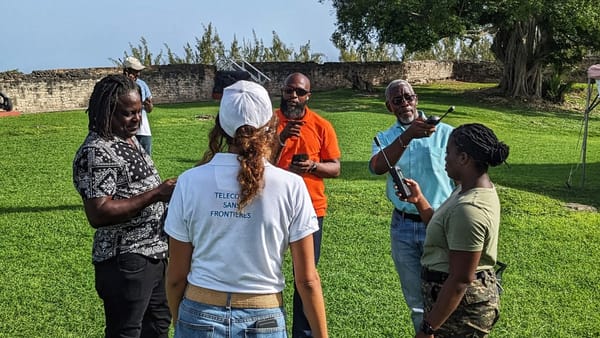
For example, in Jamaica, we worked directly with the Jamaican Red Cross to:
- Assess centers to identify needs and possible technical set up
- Select centers based on their participation in a network of emergency response
- Develop our relationship with the national Red Cross to be able to respond to crises together
 Inès
Inès
Hurricane Melissa: Connecting Centers Already Identified
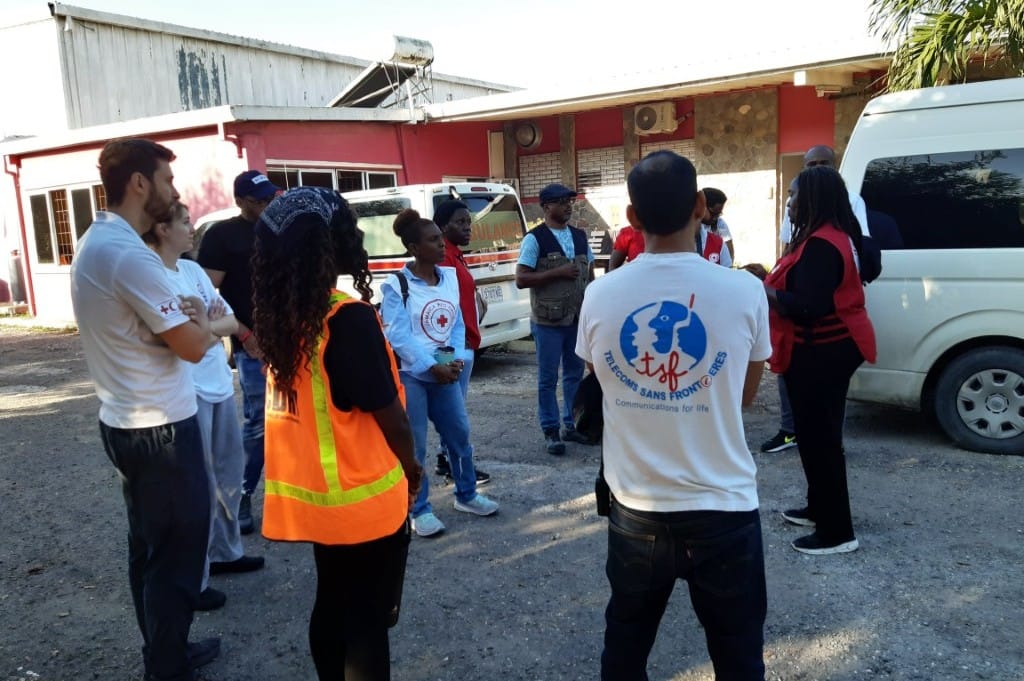
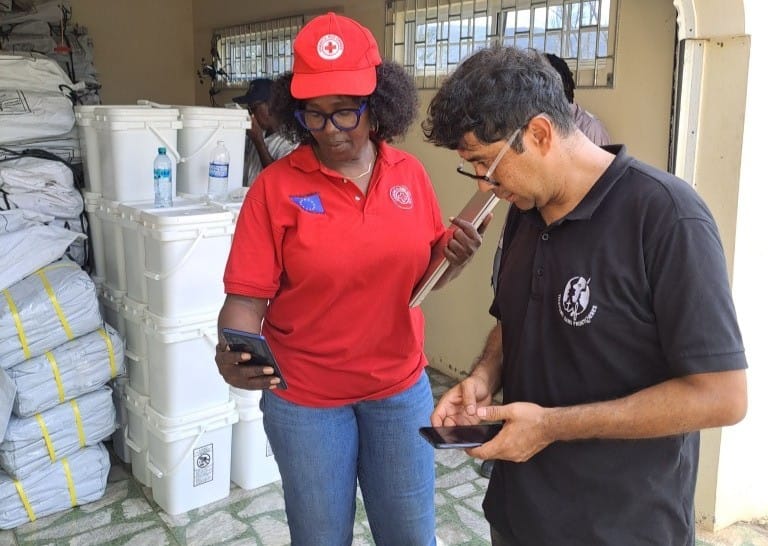
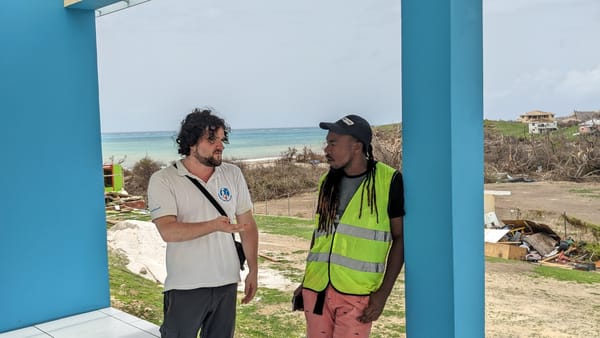
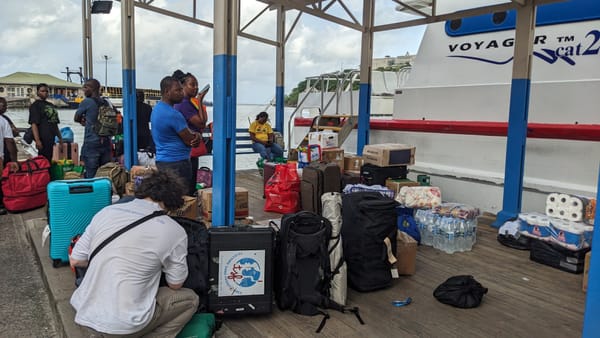
When Hurricane Melissa violently hit Jamaica in October 2025, we were able to deploy quickly, and, thanks to the existing relationship between TSF and the Jamaican Red Cross, able to coordinate efficiently with them to identify needs and respond to them.
TSF focused on the centers that were already part of the project in a joint emergency response with the Jamaican Red Cross. Quickly, communities and humanitarian organizations were able to use this emergency connectivity.
“Since the storm, it's the first time we connect to the Internet.”
- A woman who accessed TSF Wifi at one of the connected centers.
Resilience is key to responding to crises; centers equipped with reliable connectivity are able to be a hub for communities and relief bodies, immediately after the disaster.
 Emmanuel
The project is expected to end in April 2026. By that time, the 10 participating centers in Mexico, Costa Rica, and Jamaica will have fully installed disaster-resilient communication systems, ready to support communities affected by disasters.
Member discussion