

Welcome to issue 112 of the Call to Comms, and Happy New Year!
For this first issue of 2026 of the Call to Comms, we are happy to introduce a new version of this TSF newsletter.
Last month, we announced the Call to Comms would become a monthly newsletter – all you need to know about TSF’s work and the intersection of humanitarian action and technology, in one issue, every third Tuesday.
For more regular updates, you can follow us on social media - LinkedIn and Instagram.
This month:
🎤 Meet Luis, finding health advice in TSF’s information
🌎 What you need to know about the 2026 Global Humanitarian Overview
💻 How digital technology supports young people in Madagascar, in 40 seconds
🚀 It’s out! Check out the new TSF website
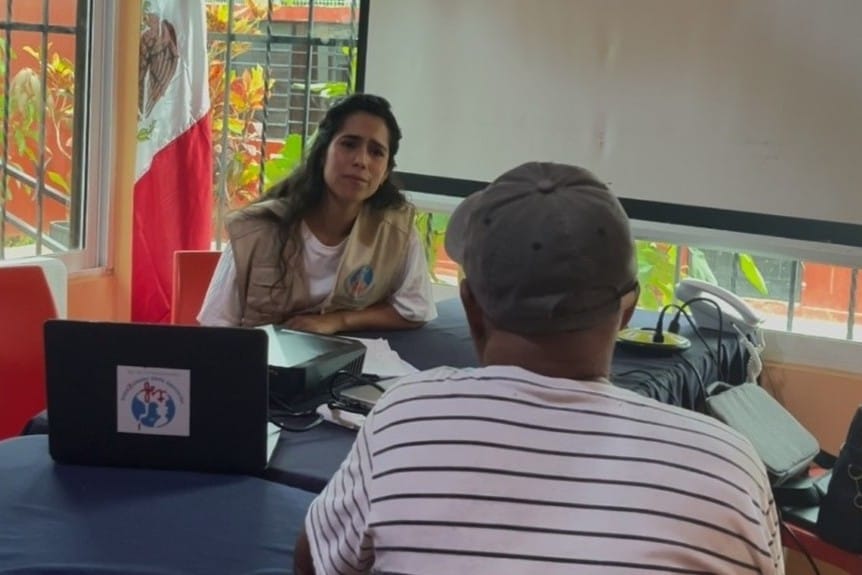
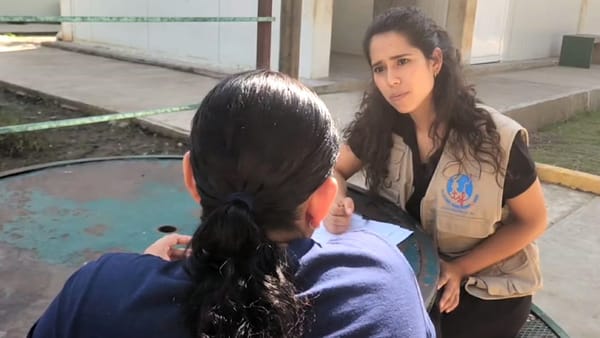
Meet Luis, Living in a Shelter: ‘Information on Health is Essential for Everyone’
Luis has been living for more than a year in the shelter where we met him.
Luis left his home country, Honduras, to escape violence and extreme weather events exacerbated by climate change. He told us his journey, what information is most important to him, and more – meet Luis and discover his story here.
“ [I left my country] to have a future, wherever I can find it.”
 Inès Guittonneau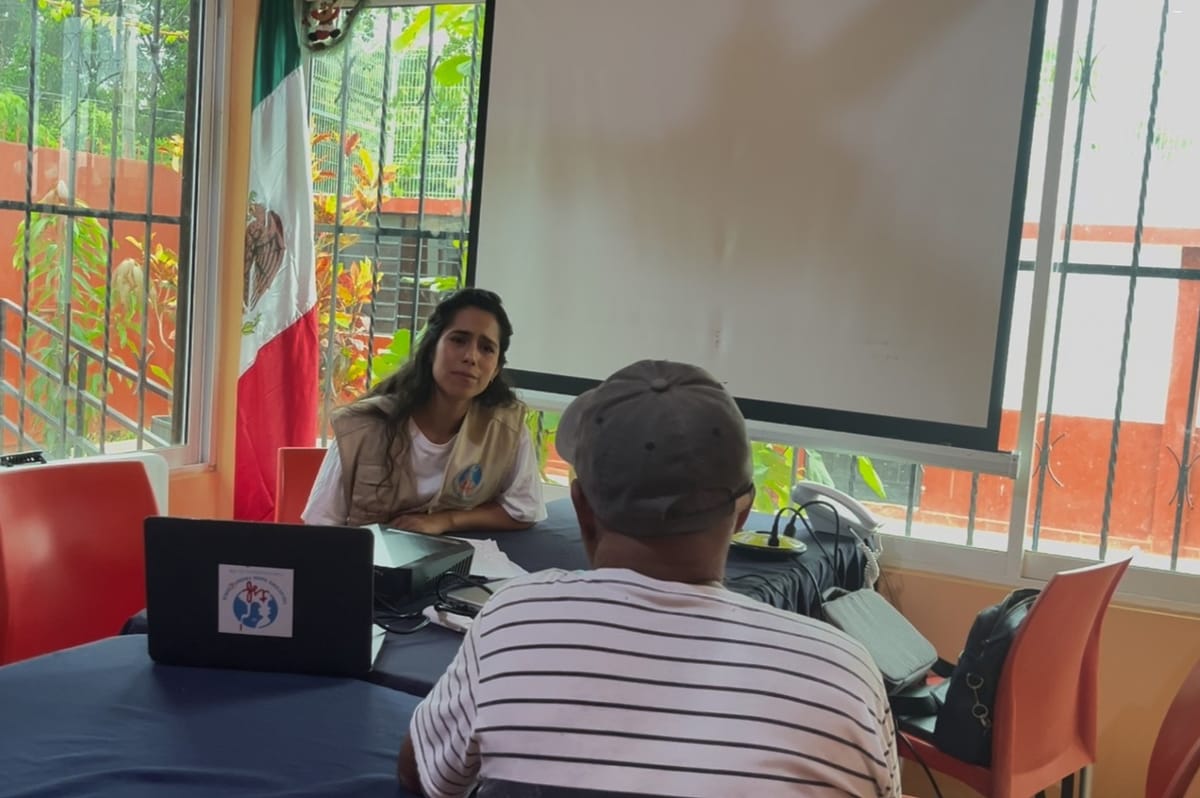
Global Humanitarian Overview 2026: What You Need To Know
Every year, the Global Humanitarian Overview assesses the global humanitarian needs and how to respond to them. TSF is part of this response, meeting communication and information needs during humanitarian crises.
- People in need: 239M
- Total people targeted: 135M
What are the two main drivers of urgent humanitarian needs globally?
- Conflict: record number of armed conflicts with violations of international humanitarian law and human rights, including mass atrocities and attacks on health and learning facilities; conflict also causes food insecurity and forced displacement.
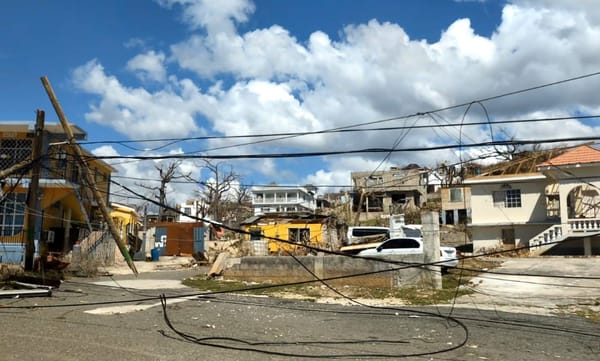
- Climate change: 2025 was marked by weather extremes, such as Hurricane Melissa (a hurricane such as this is approximately four times more likely to occur in today’s climate as compared to a pre-industrial time).
What role does technology play?
- Emerging technologies in armed conflict is amplifying risks: drone attacks in conflict settings increased by 4,000 percent between 2020 and 2024, affecting healthcare or aid delivery
- Artificial Intelligence has implications for the way wars are waged: if AI algorithms are trained in overly permissive targeting rules, it will cause death and destruction among civilians at a greater speed and on a larger scale
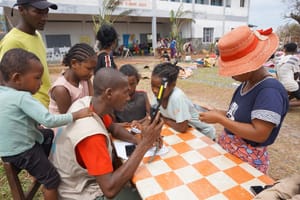
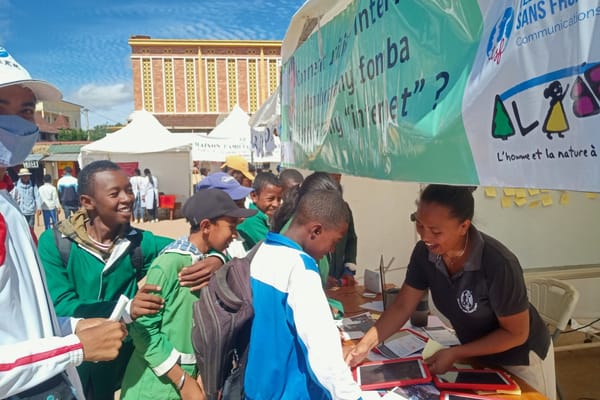
40 Seconds to Understand How Digital Technology Supports Children in Need in Madagascar
Rodin works at the ALABRI Center, a center for kids from disadvantaged families in Madagascar. In this short video, he explains:
- how the center meets essential needs to help young people concentrate better at school, and
- how it collaborates with TSF's digital inclusion center, the IT CUP center.
 TSF Comms Team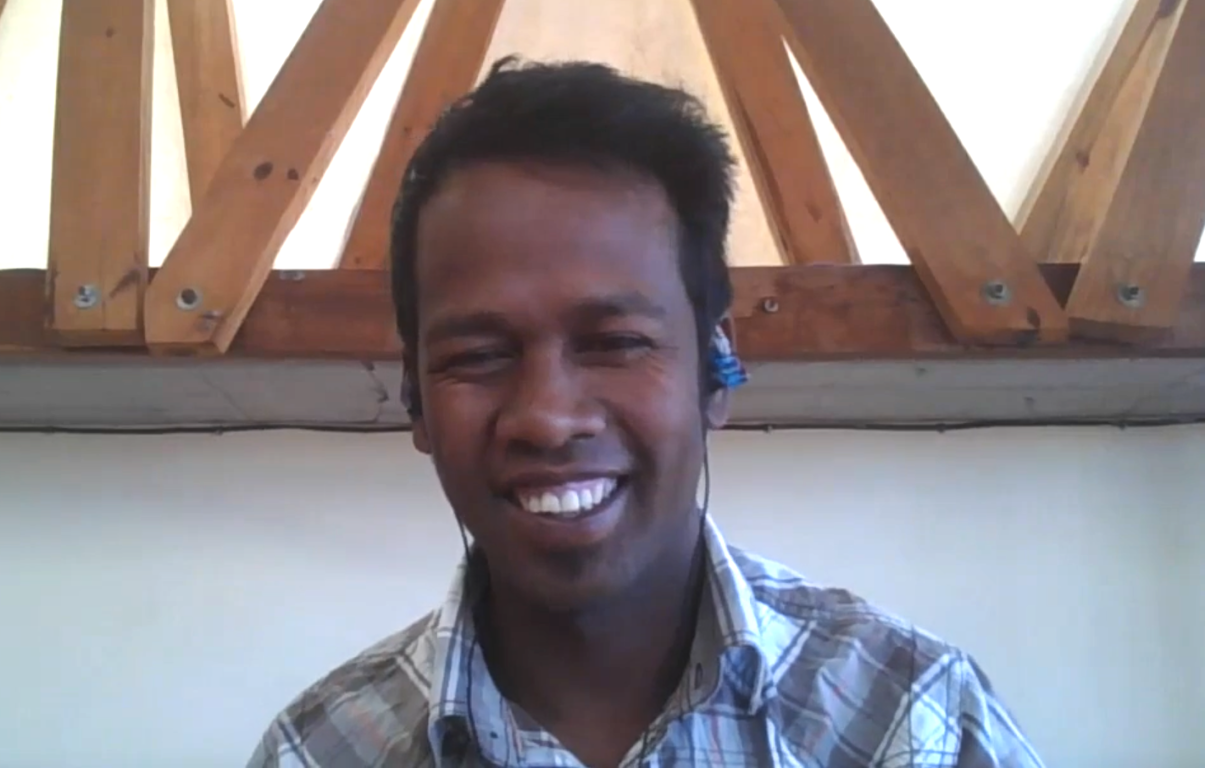
A New Website for TSF!
Some of you may have seen it already: we have recently released our new website!
To better present our activities in the ever-evolving contexts of humanitarian action and technologies, we have renewed our website that will soon centralize TSF’s presence online with our missions, blog articles and presentation of our NGO, all in one place.
The revamp was also the opportunity to go back on TSF’s story on Our Origins page, with a few photos from TSF's first missions back in the 90's!
See you next month!

Member discussion